





Comparing Garden Pot Materials: FRP vs Traditional Options
In the world of gardening, choosing the right garden pot can make a significant difference in both the health of your plants and the aesthetics of your space. With a variety of materials available, it's essential to understand the differences, particularly between newer options like FRP (Fiber Reinforced Polymer) pots and more traditional materials. In this post, we'll explore these options to help you make an informed decision when searching for "flower pots near me" or scouring the internet for the perfect container for your plants.
What is FRP?
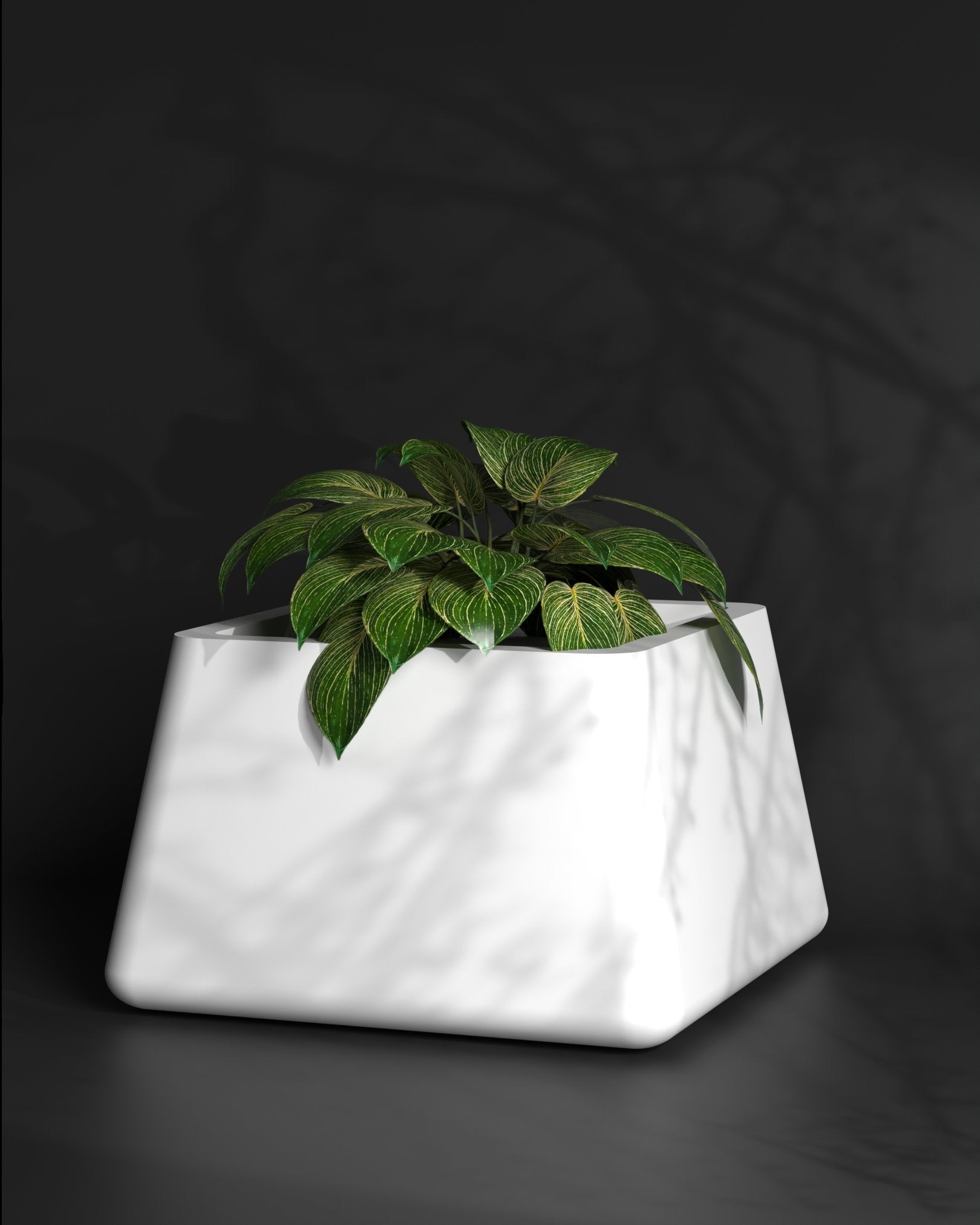
FRP, or Fiber Reinforced Polymer, is a lightweight, durable material that is becoming increasingly popular in the production of garden pots. The benefits of using FRP are manifold: it is resistant to weather conditions, doesn't crack or break easily, and offers a sleek, modern look. This makes FRP pots ideal for both indoor and outdoor use.
Advantages of FRP Pots

- Durability: FRP pots are known for their ability to withstand harsh weather conditions without deteriorating. This means they are great for outdoor gardens where they might face rain, sun, and wind.
- Lightweight: One of the primary advantages of FRP pots is their ease of movement. For those who like to redesign their garden layout regularly, the lightweight nature of FRP makes it convenient to rearrange or reposition.
- Aesthetic Appeal: Available in various designs and finishes, FRP pots add a modern look to any garden. They can fit seamlessly into a variety of aesthetic preferences and styles.
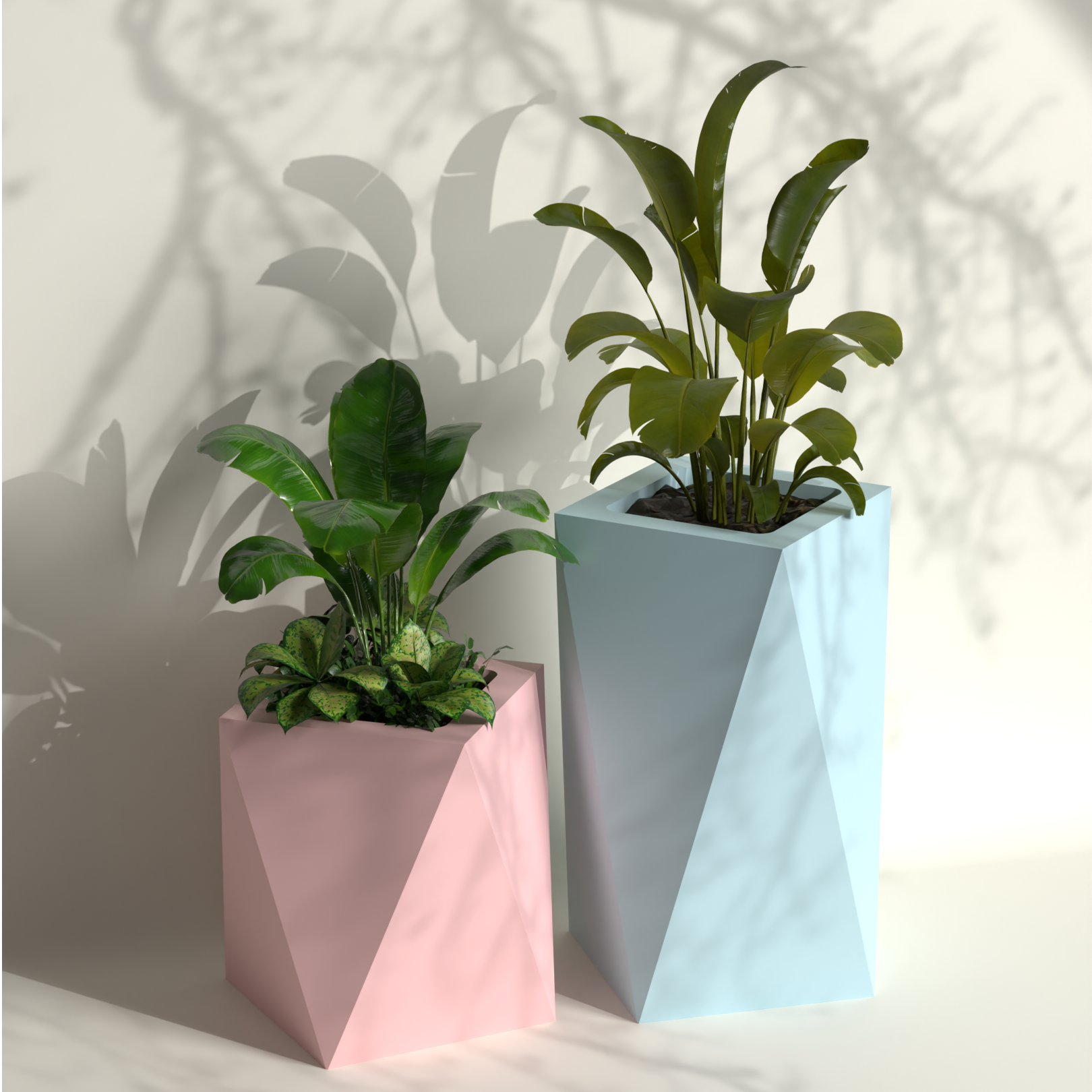
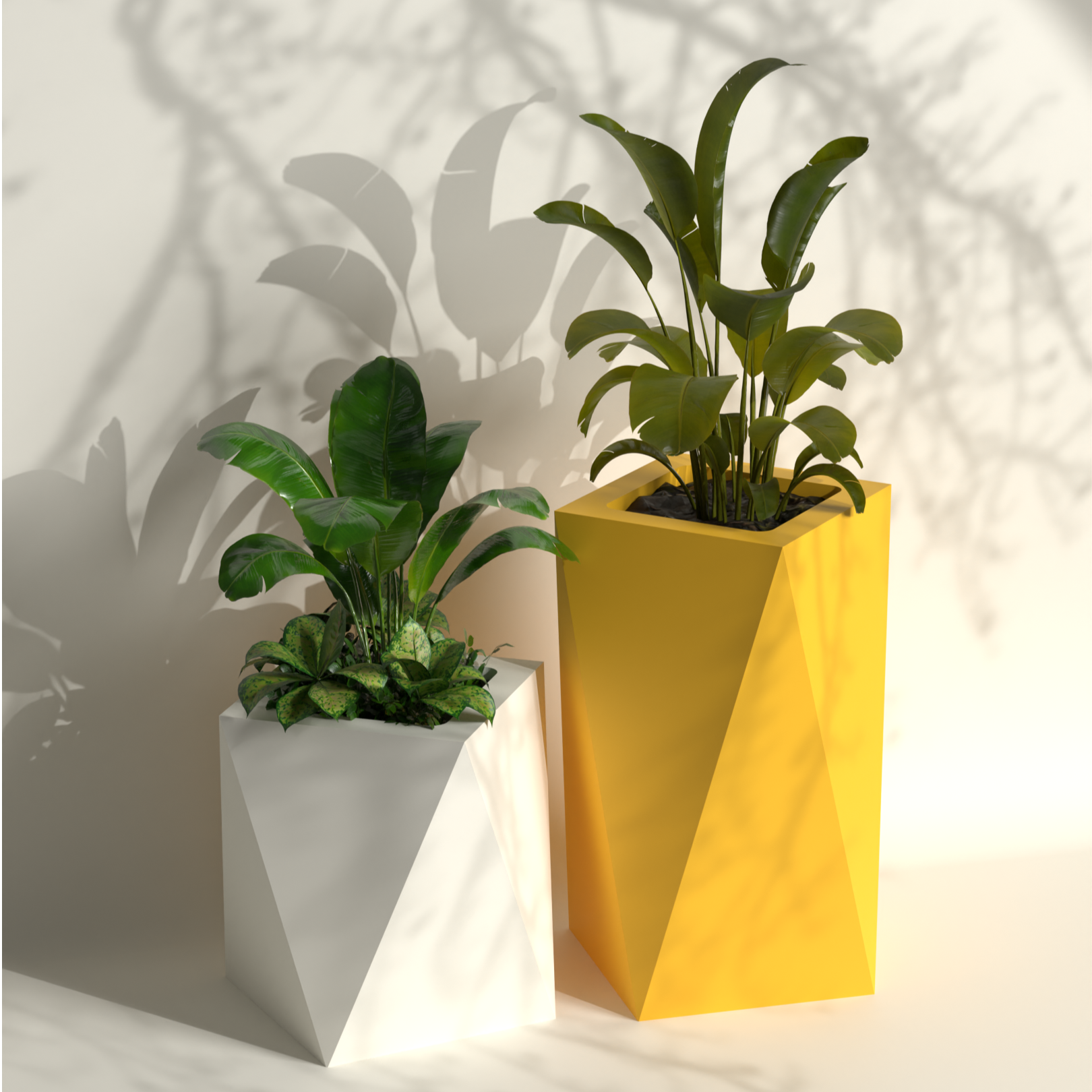
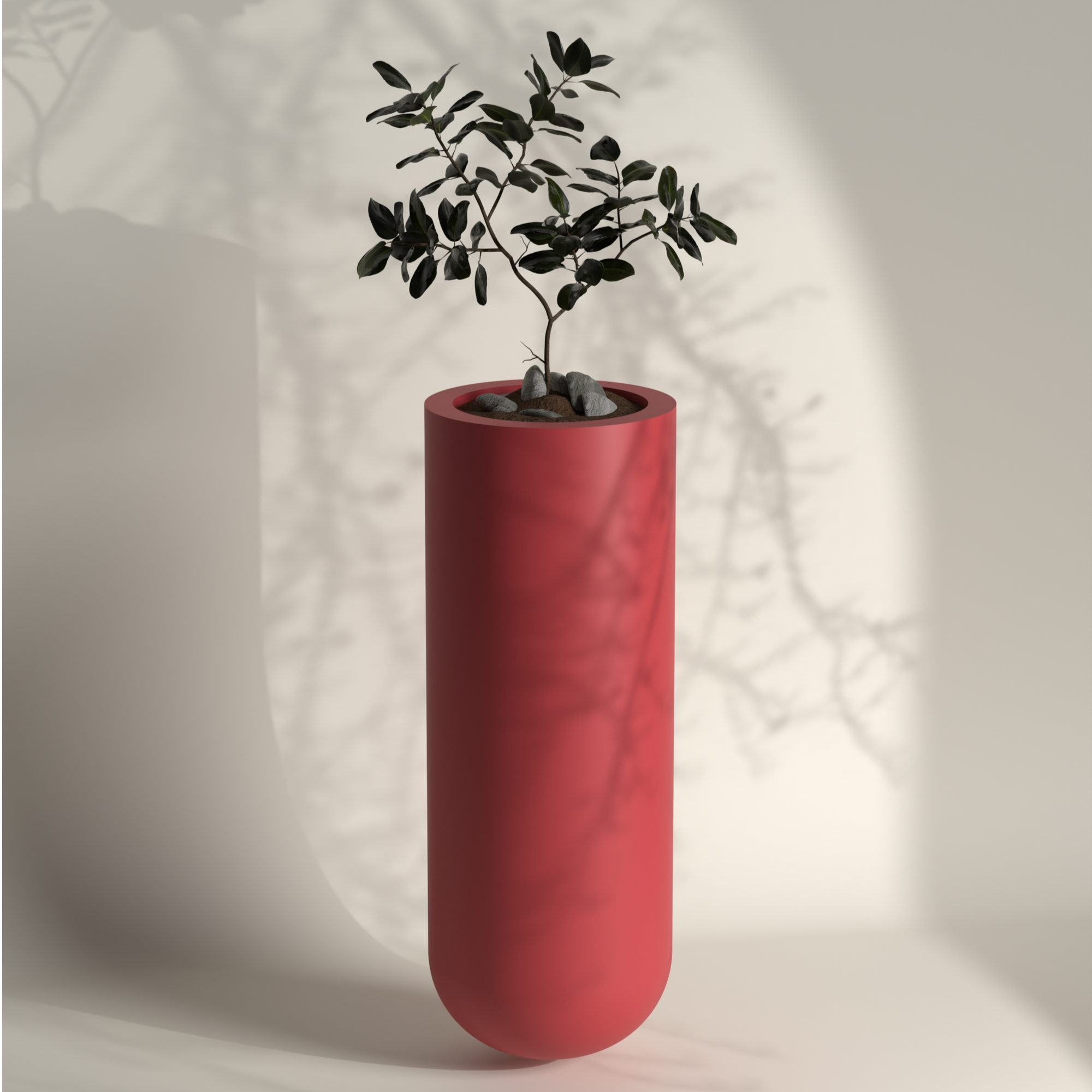
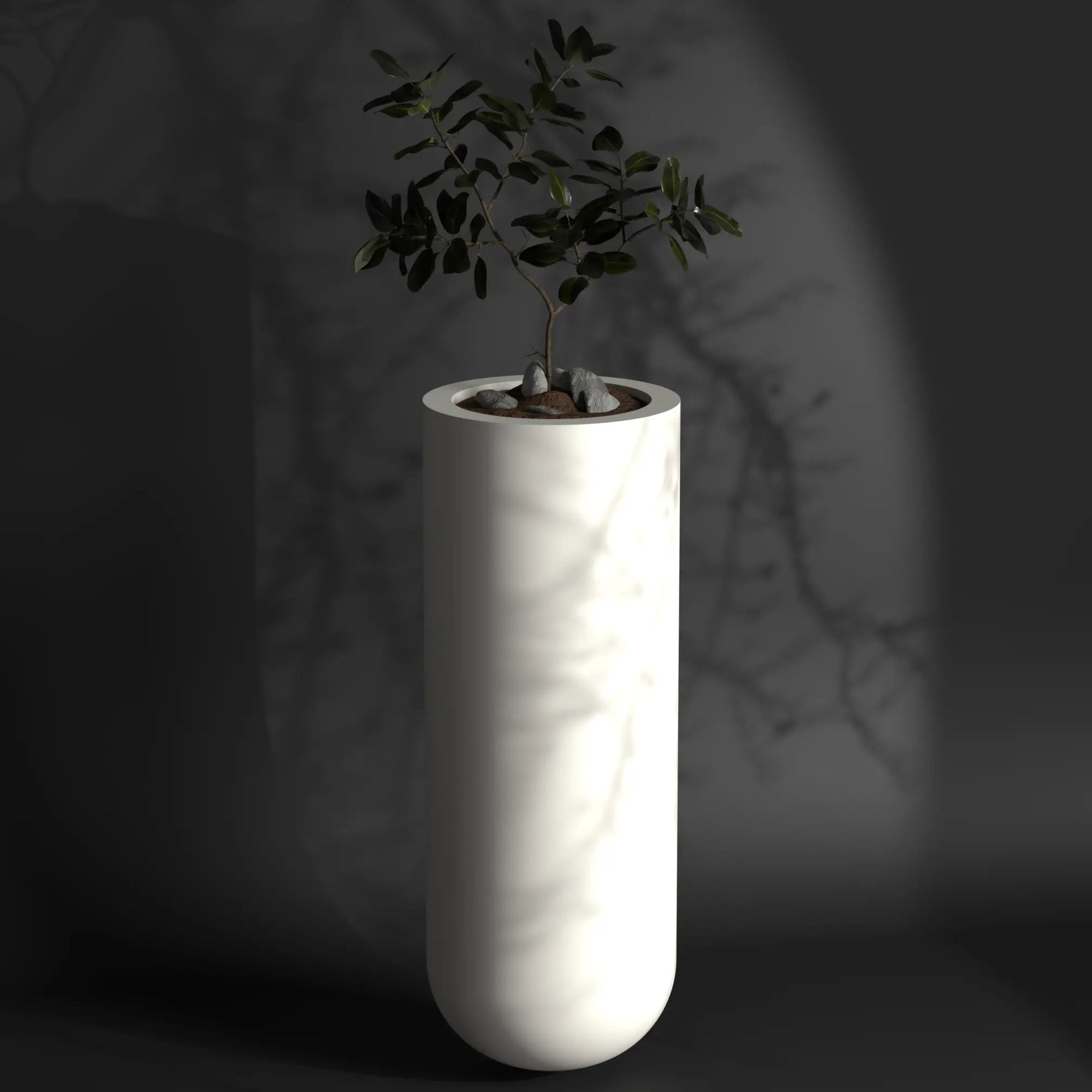
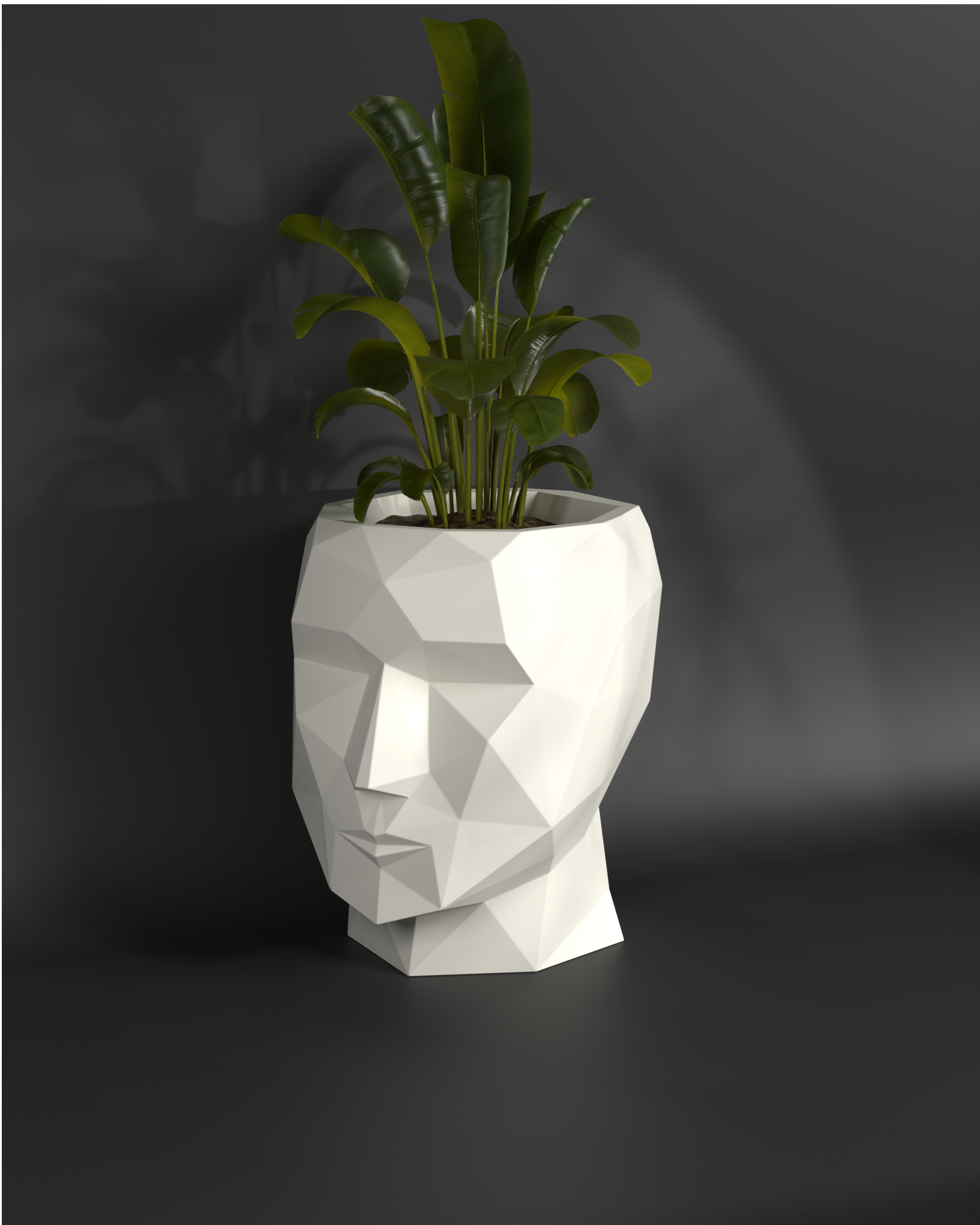
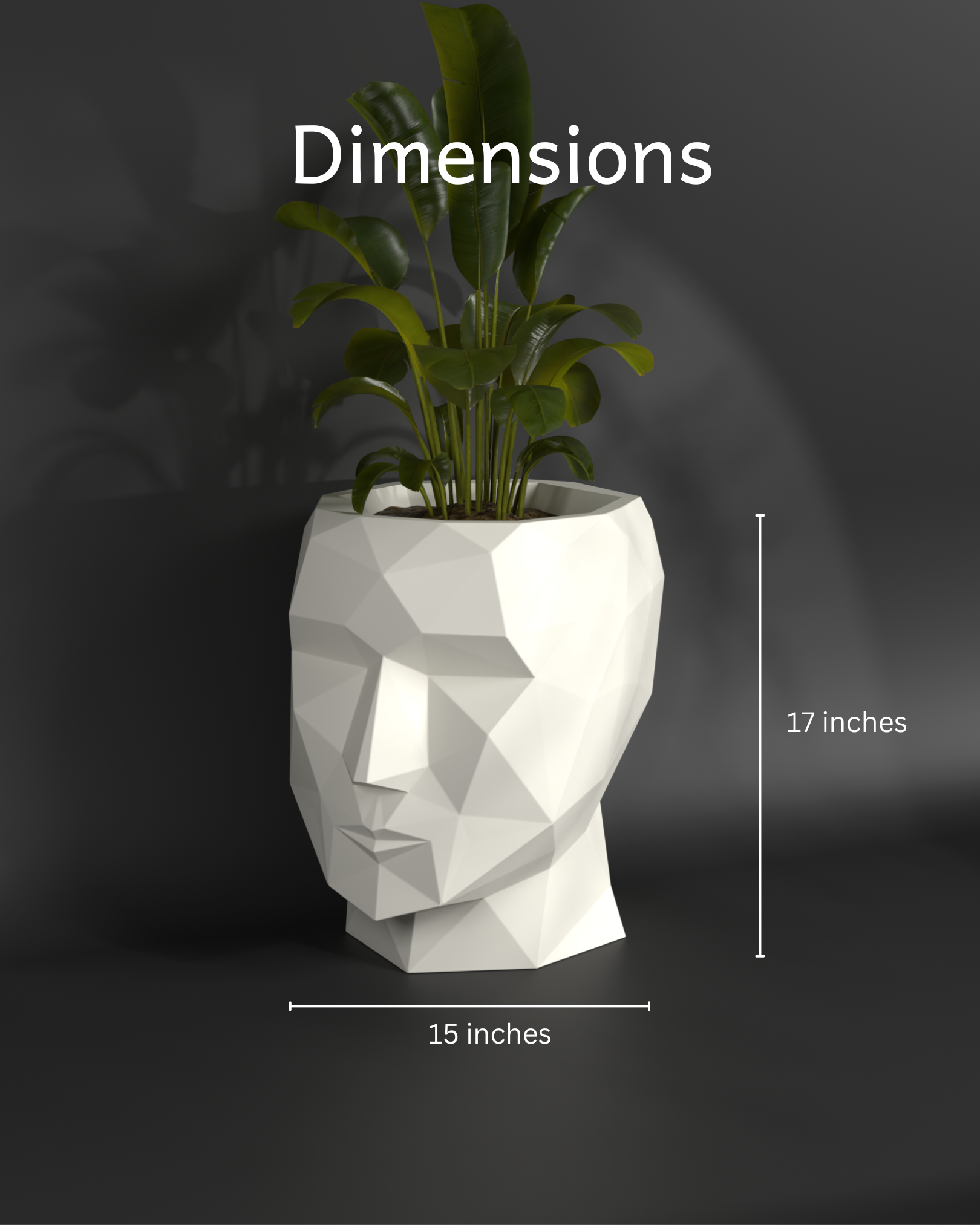
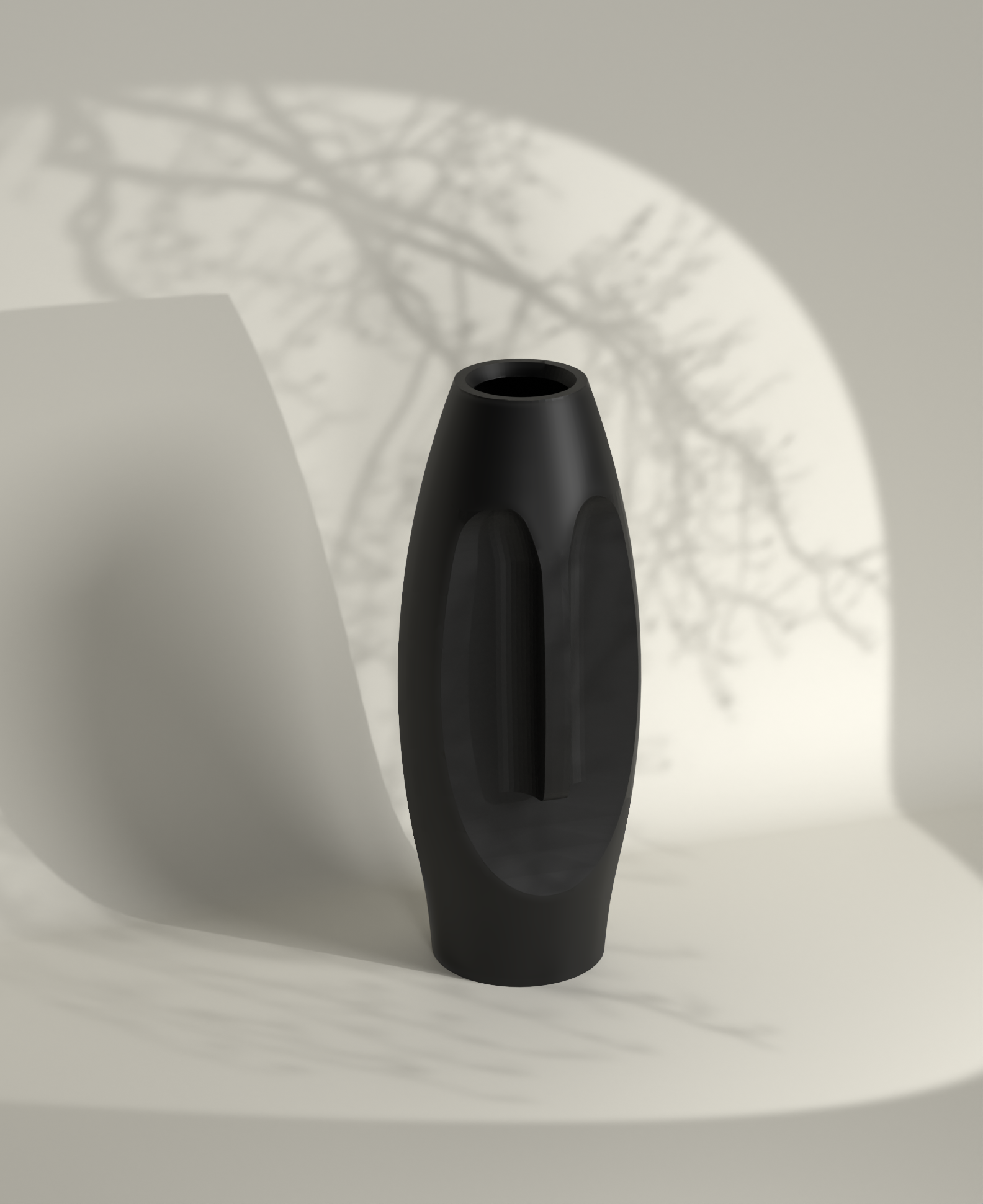
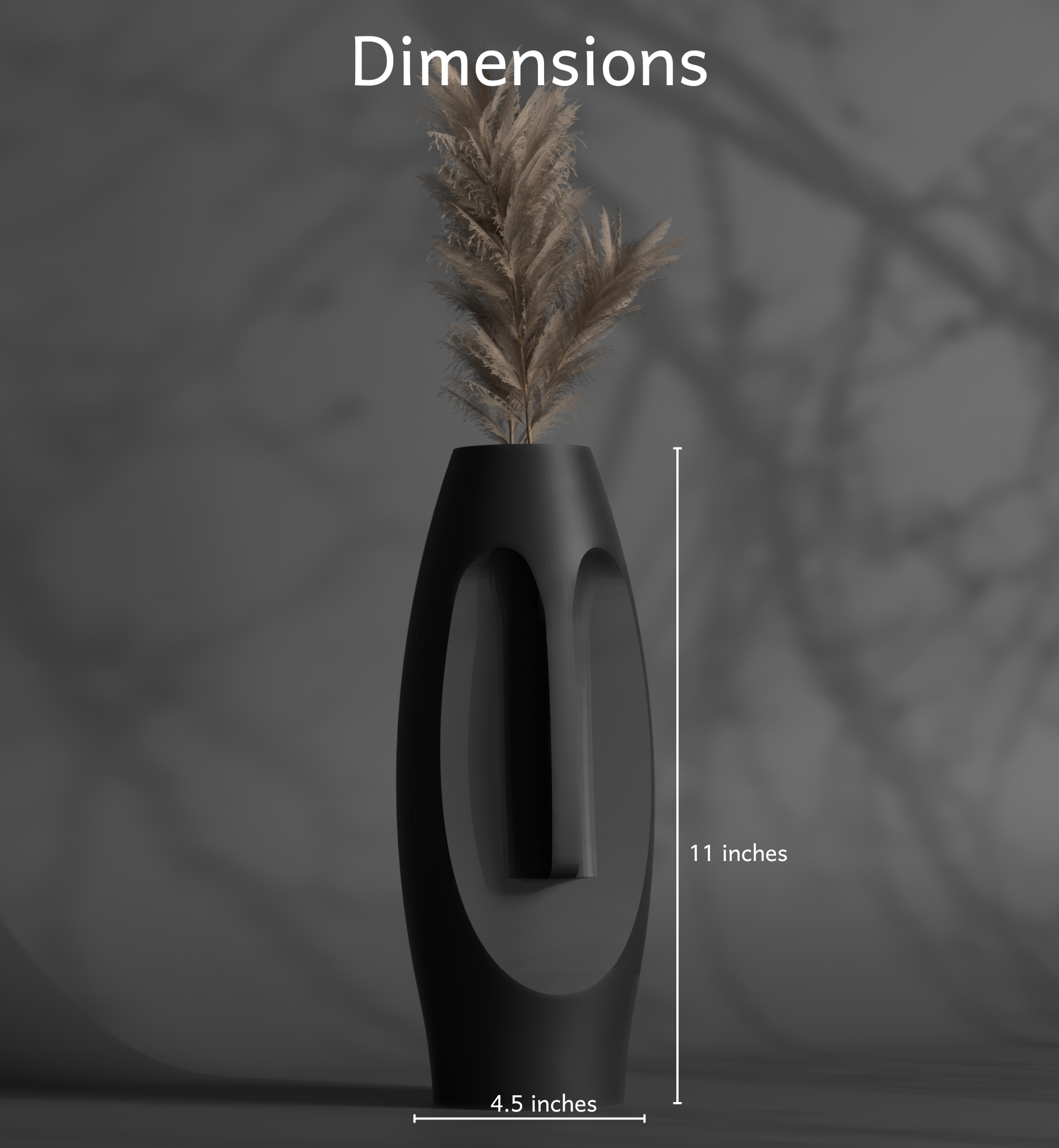
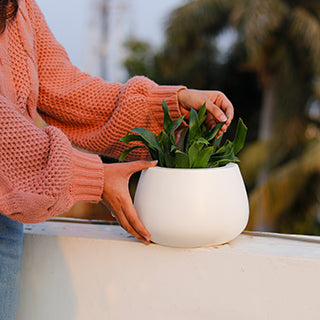
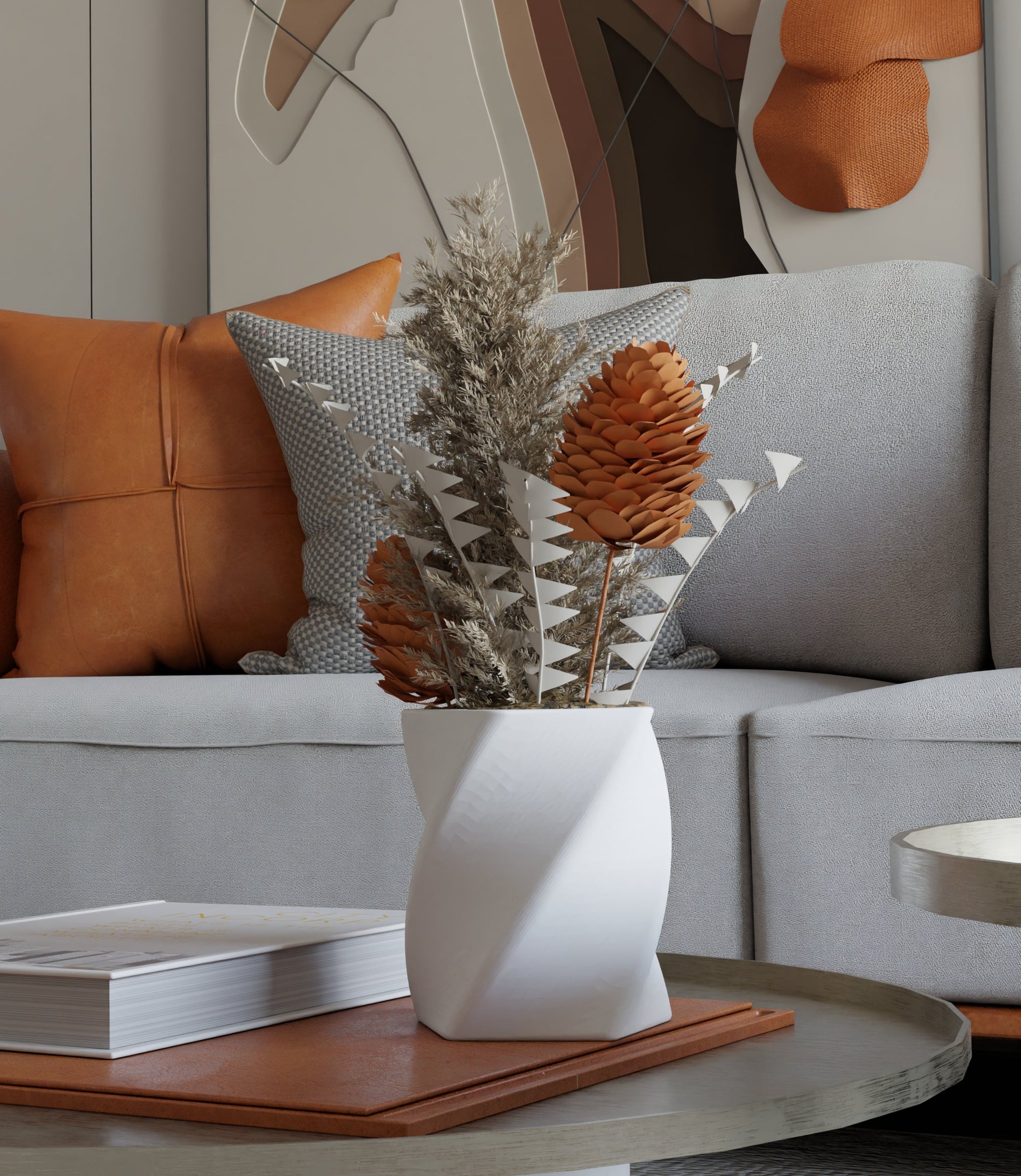
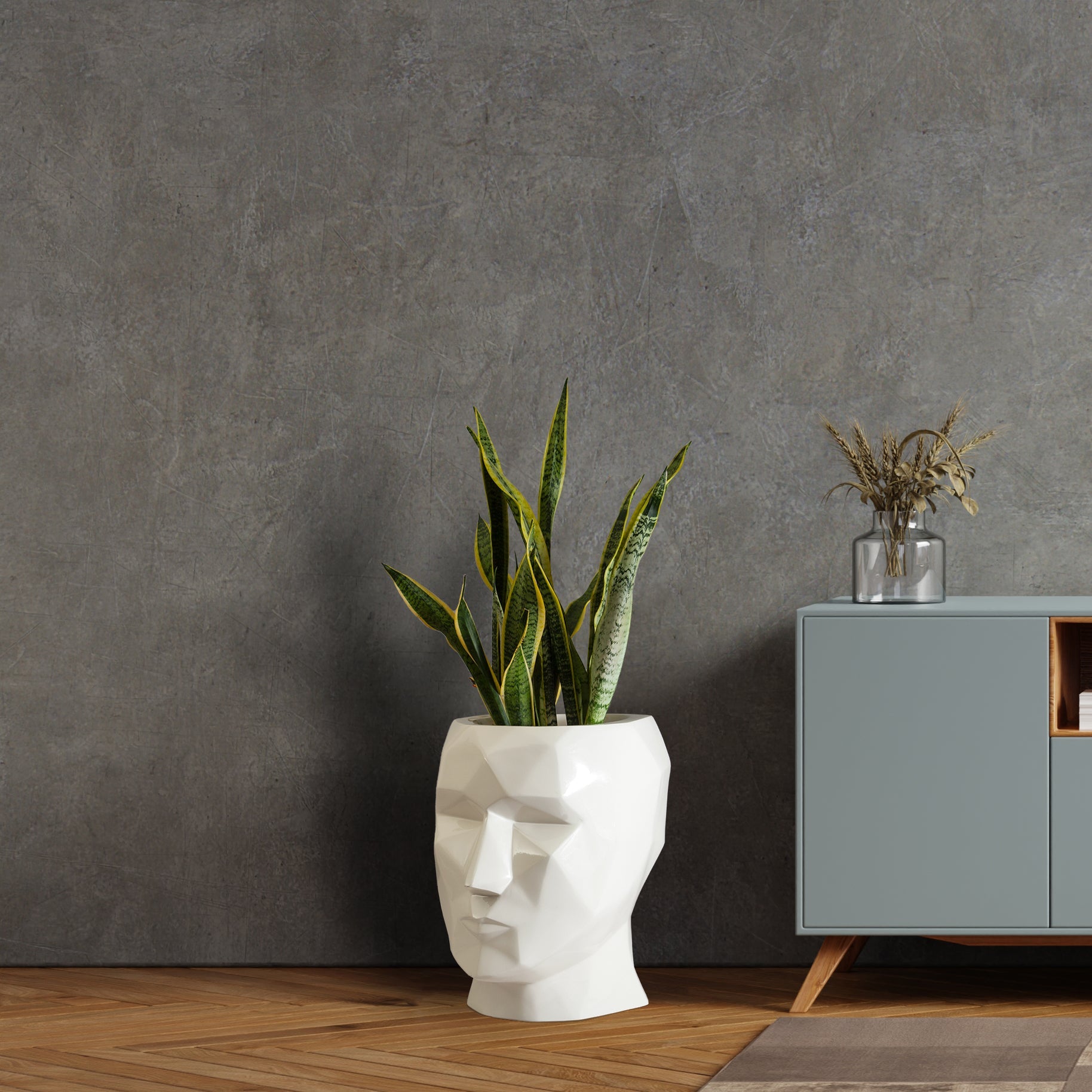
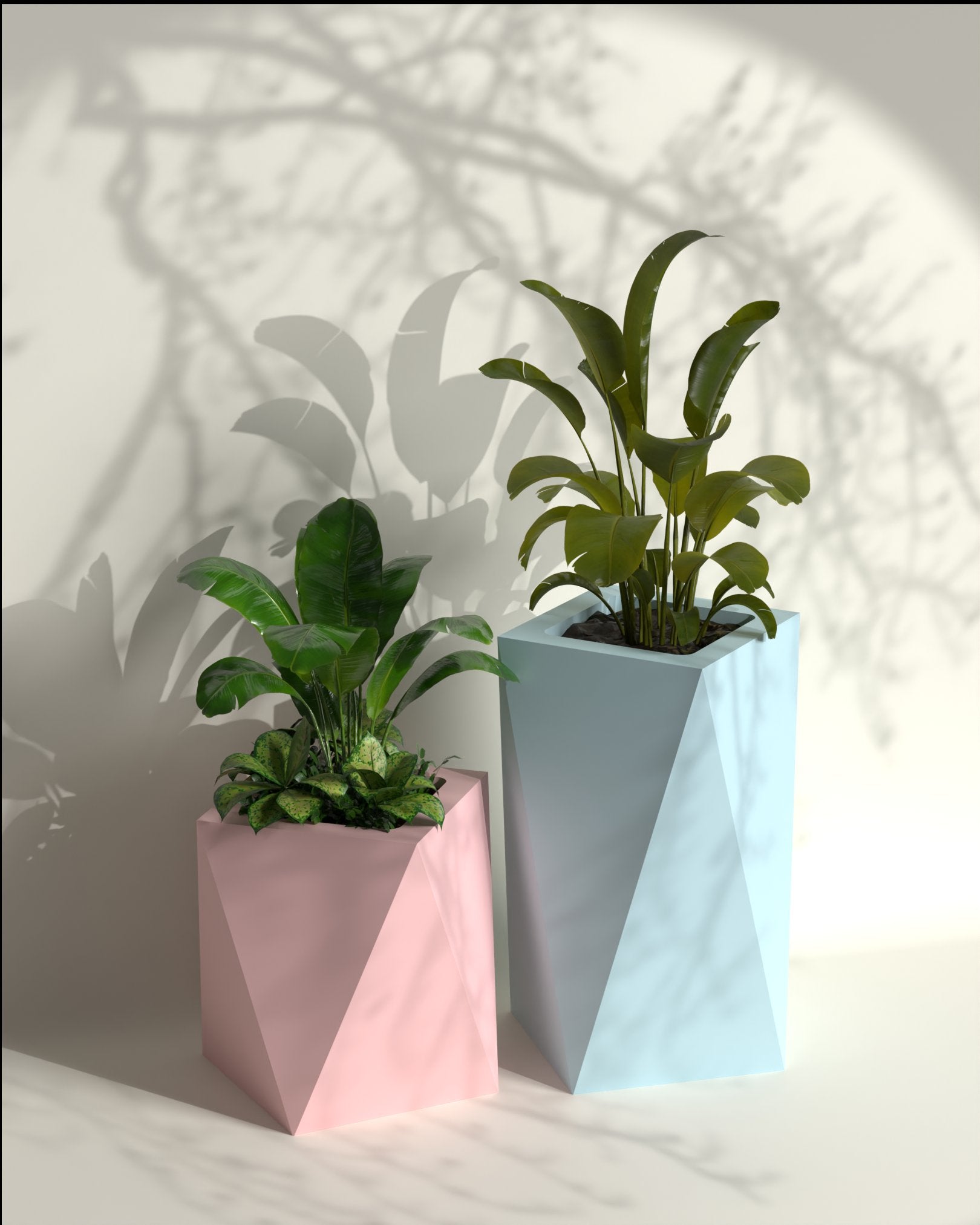
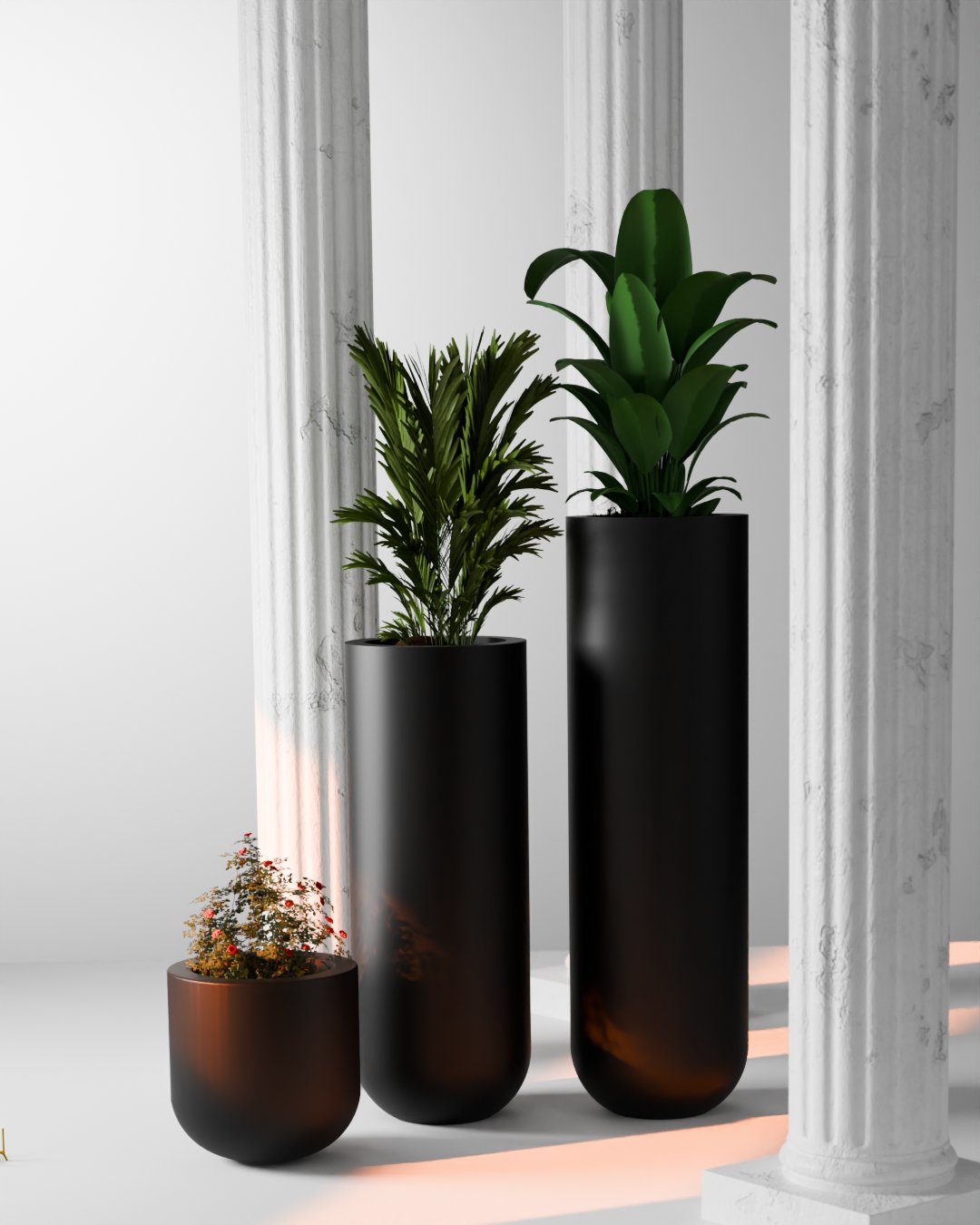
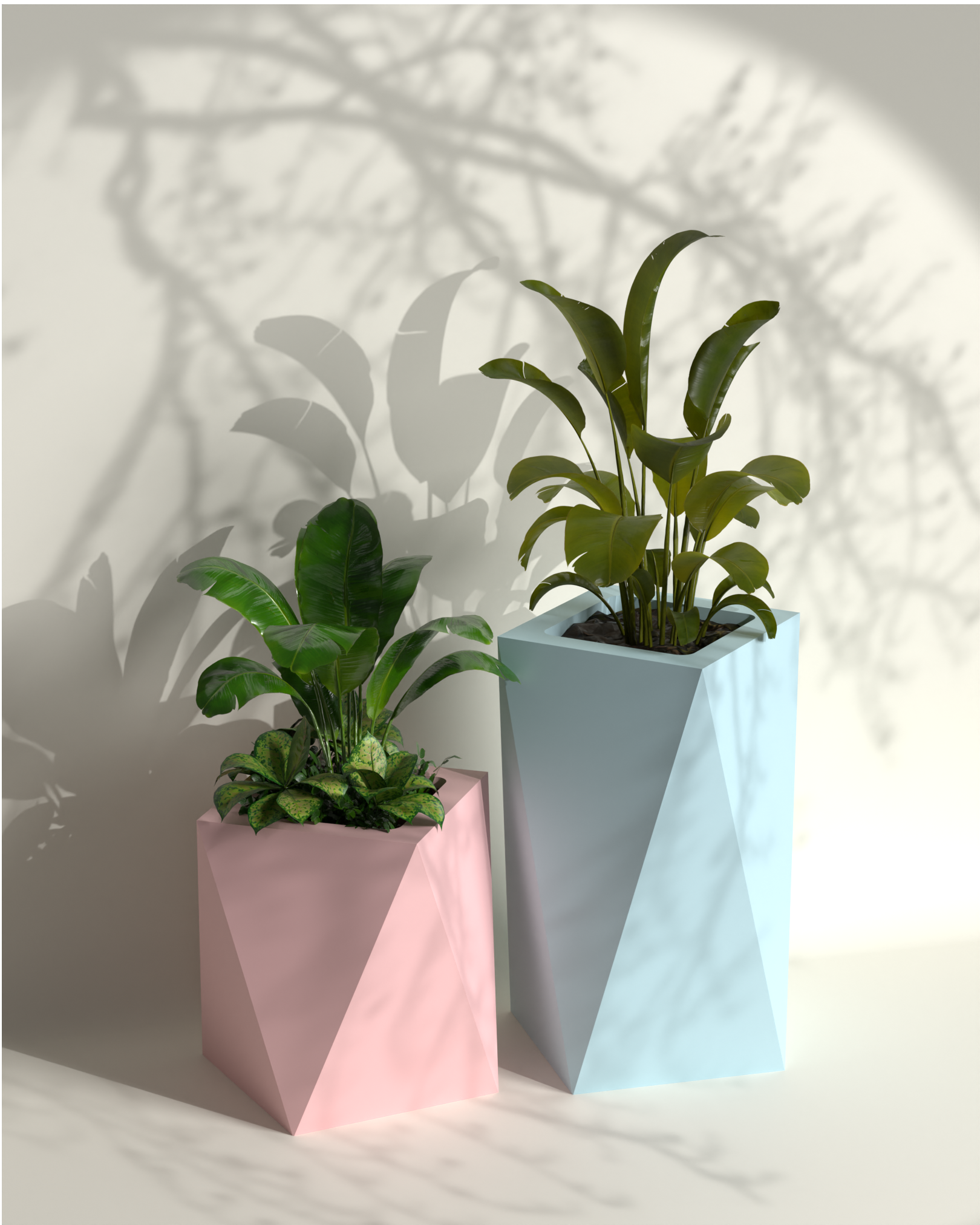
Consider the Polo L - Large size Polo Planter or the Adam L - Large planter if you are looking for stylish FRP options that combine functionality and modern design.
Traditional Materials
On the other hand, traditional materials like clay or terracotta have been used for centuries and carry their unique benefits.
Advantages of Traditional Pots
- Natural Insulation: Clay pots provide natural insulation, which helps in maintaining soil temperature, crucial for plant health.
- Traditional Aesthetics: For those who appreciate a classic look, traditional materials can bring a rustic charm to your garden.
- Breathability: Materials like terracotta are porous, promoting better aeration and reducing the risk of root rot.
However, traditional materials are often heavier and more susceptible to cracks or damage from extreme weather compared to their FRP counterparts.
Conclusion

When it comes to choosing between FRP and traditional garden pots, the decision largely depends on personal preference and specific needs. For those looking to blend modern aesthetics with practicality, FRP pots offer a compelling option. Meanwhile, traditional pots continue to charm gardeners with their timeless appeal and natural benefits.
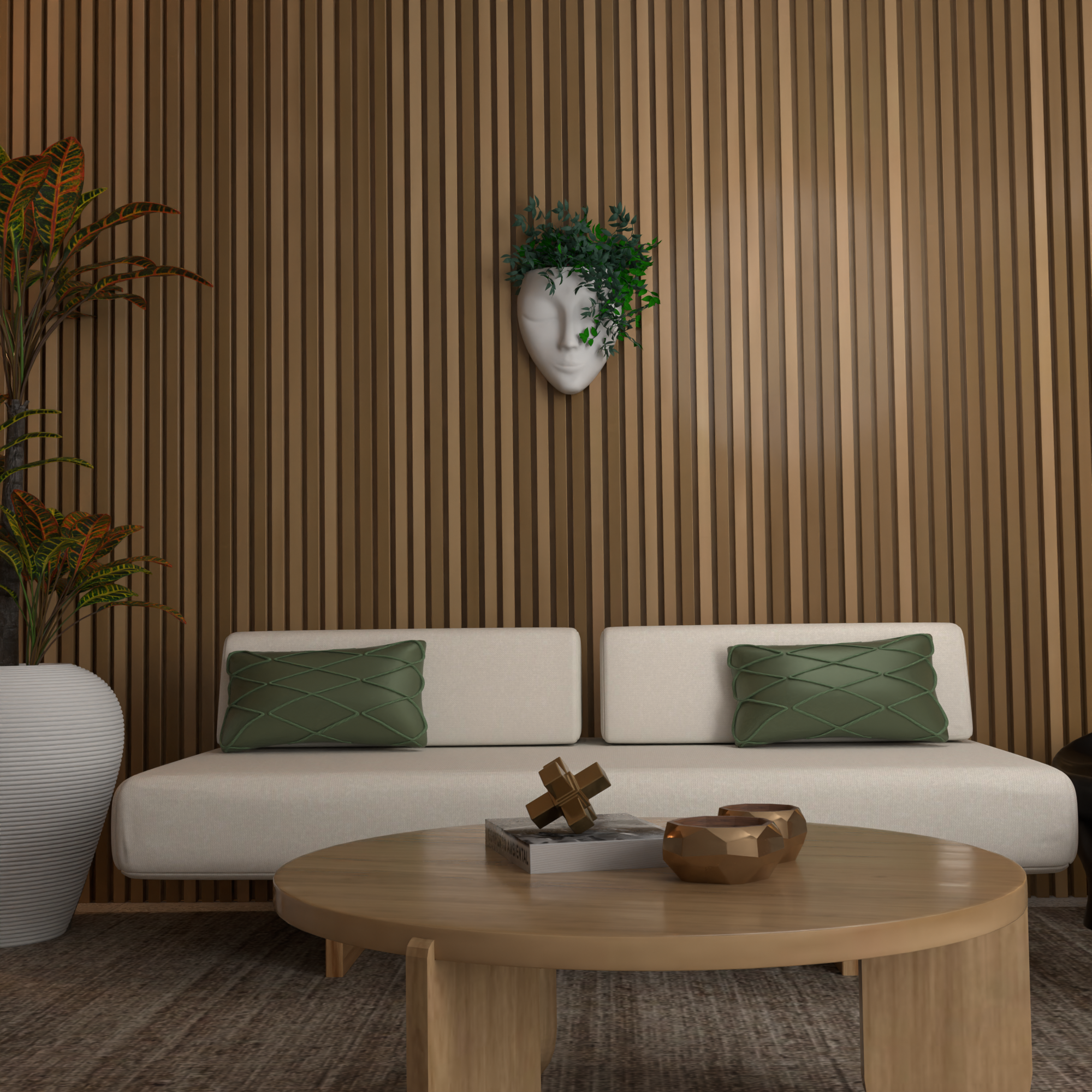
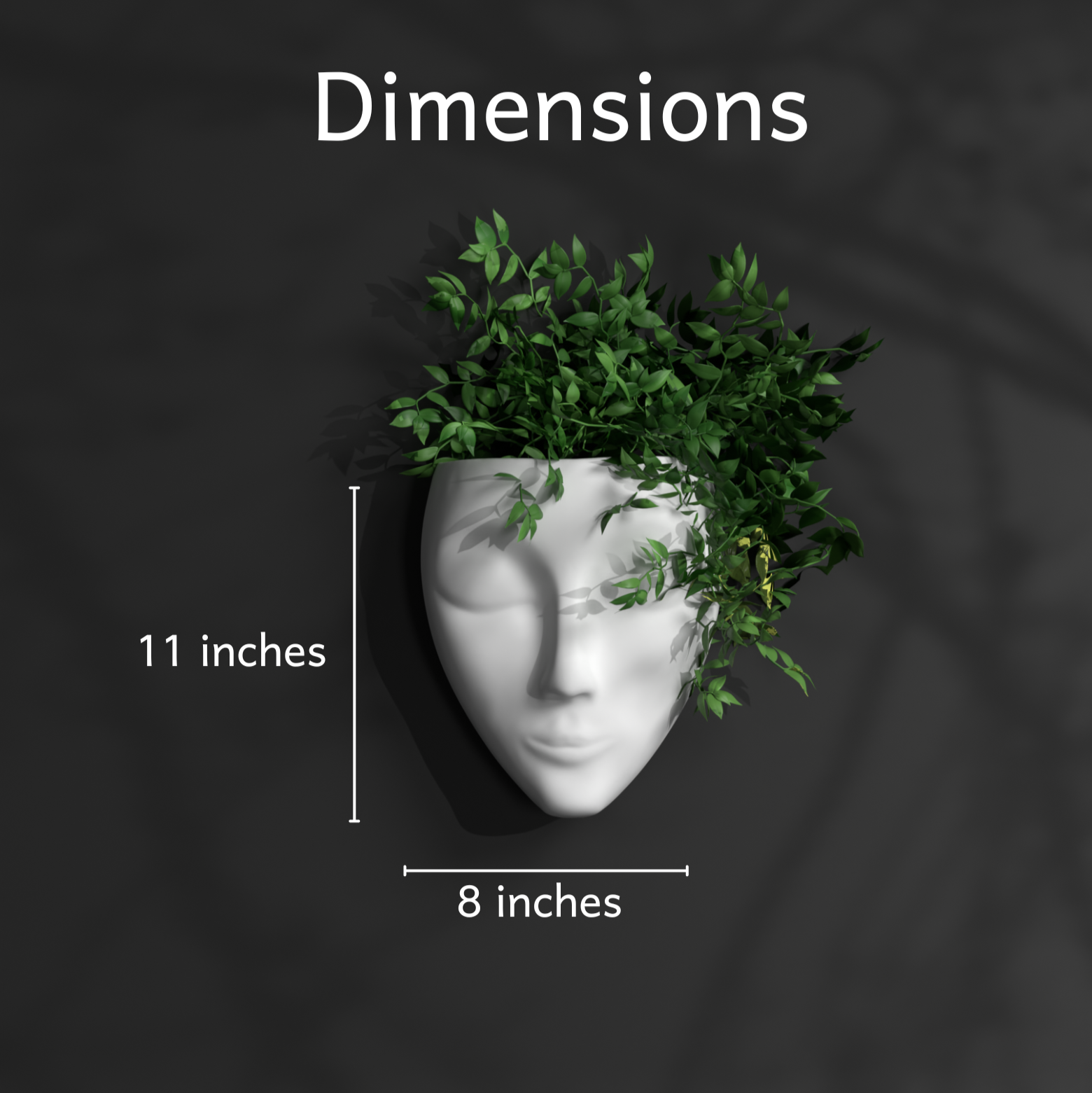
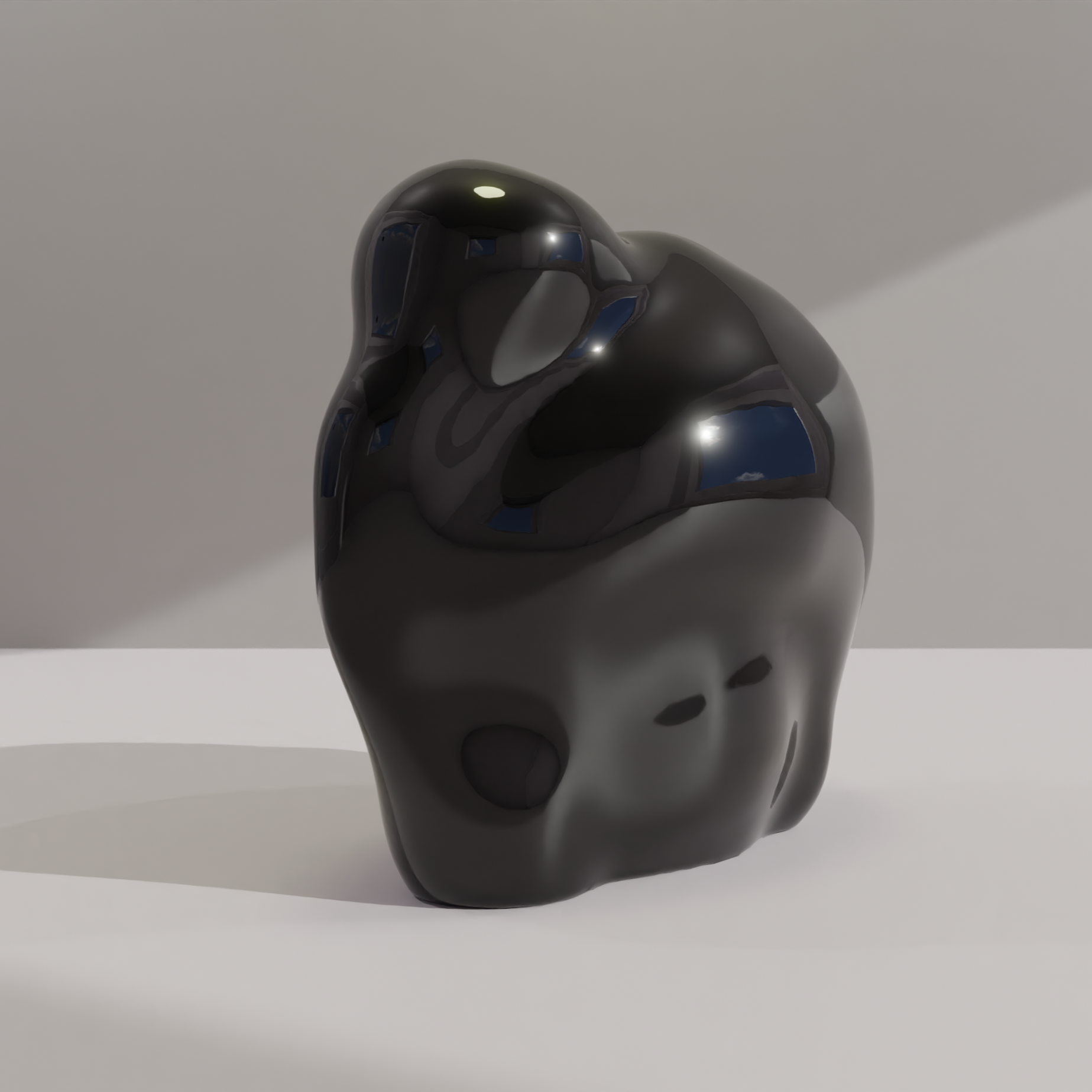
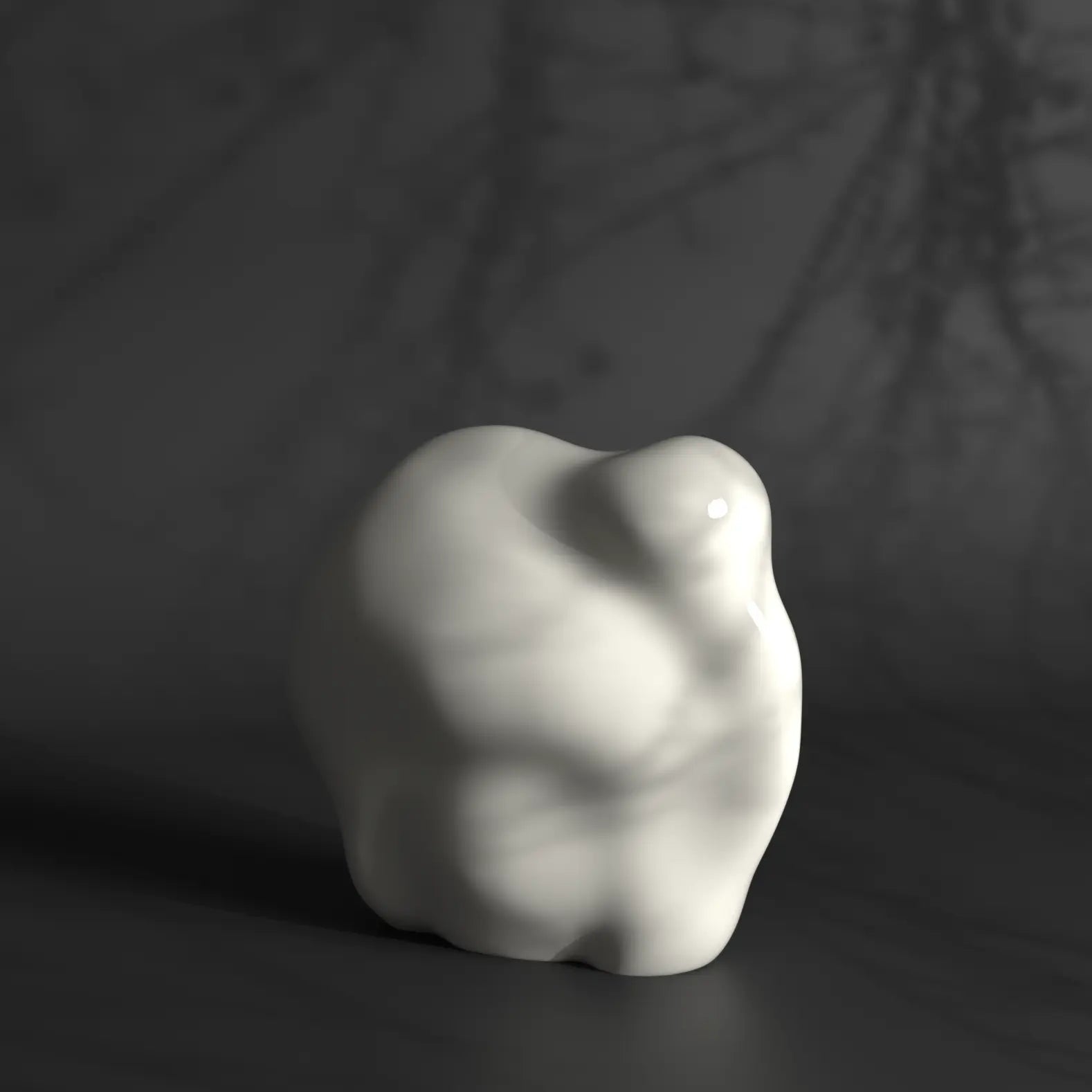
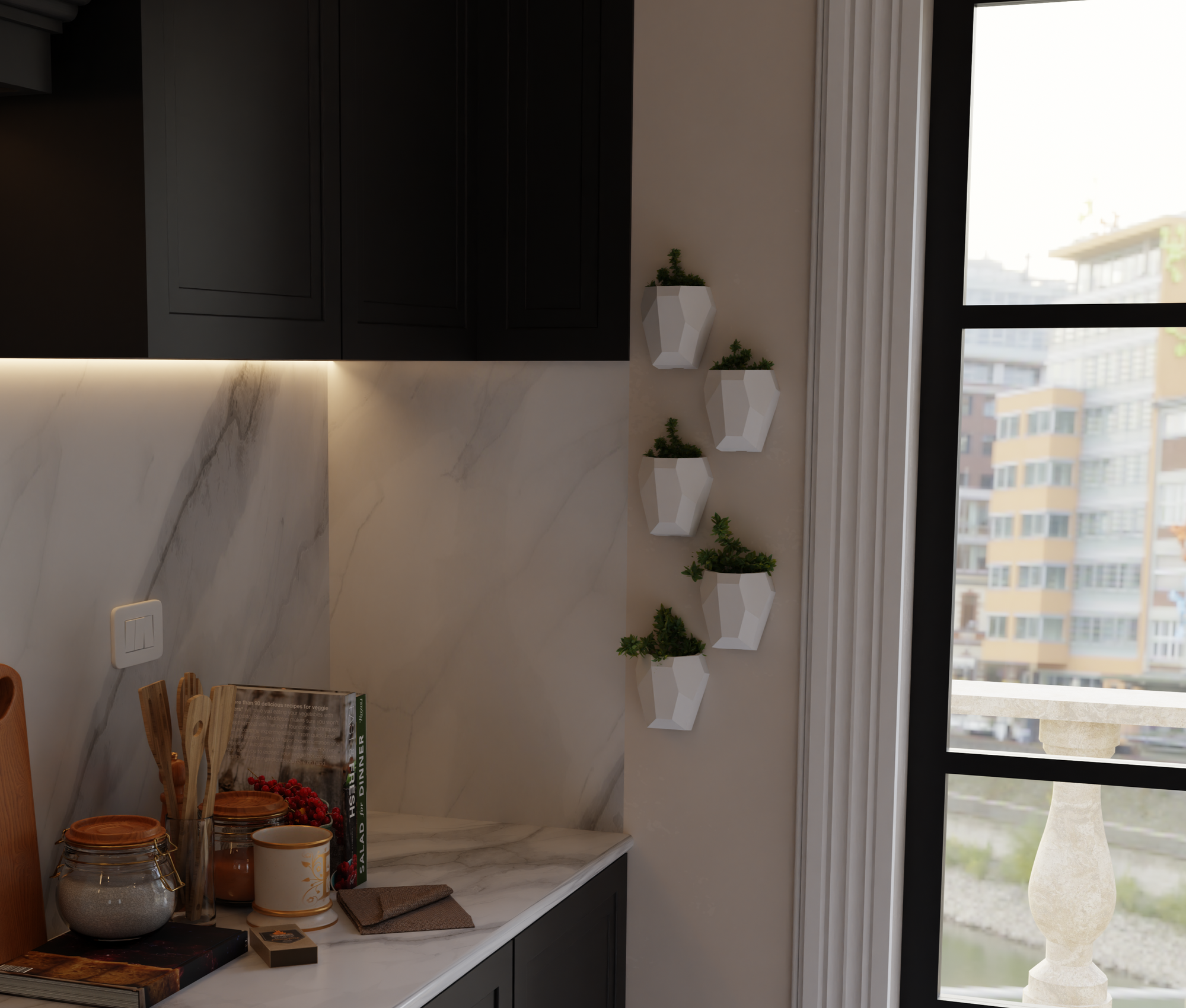
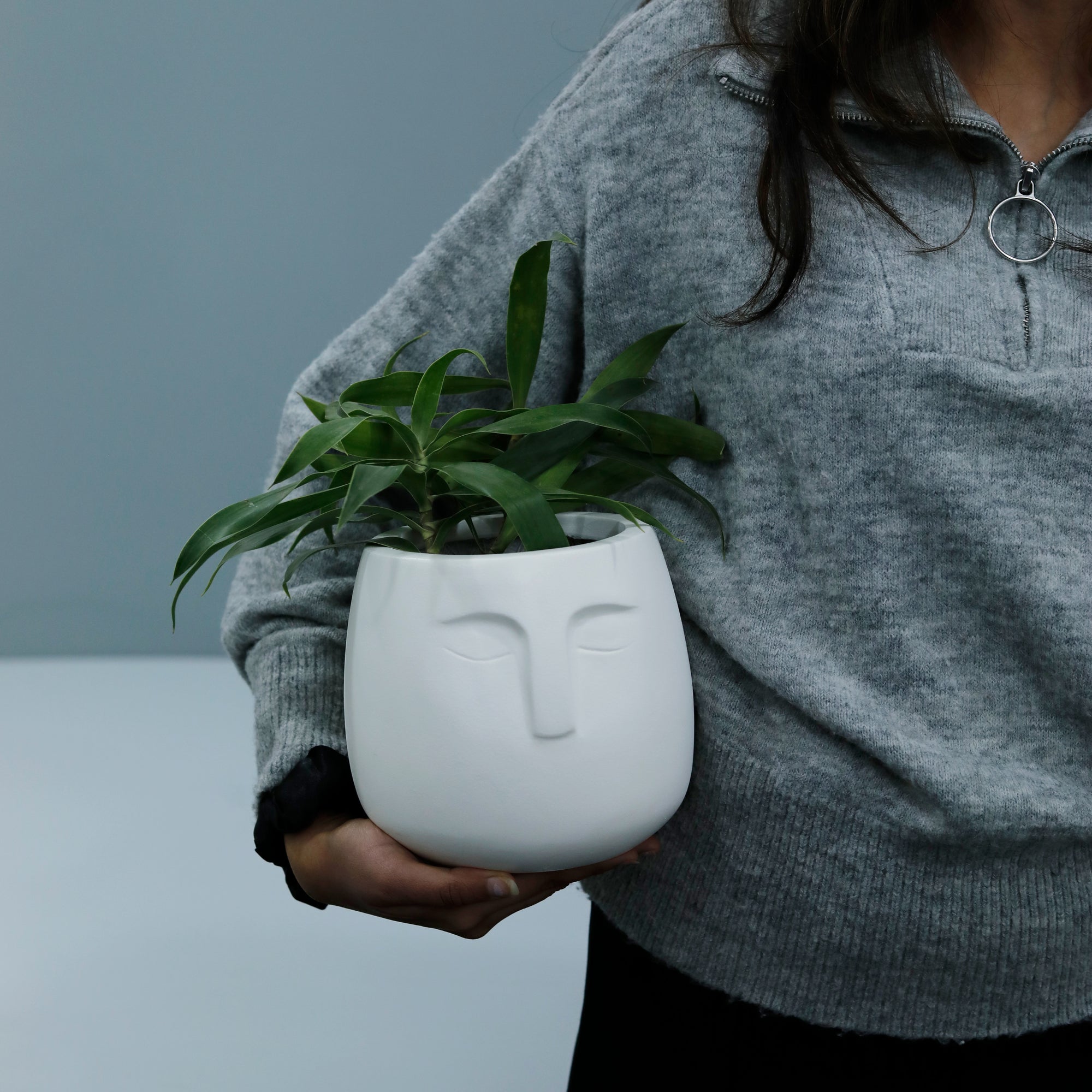
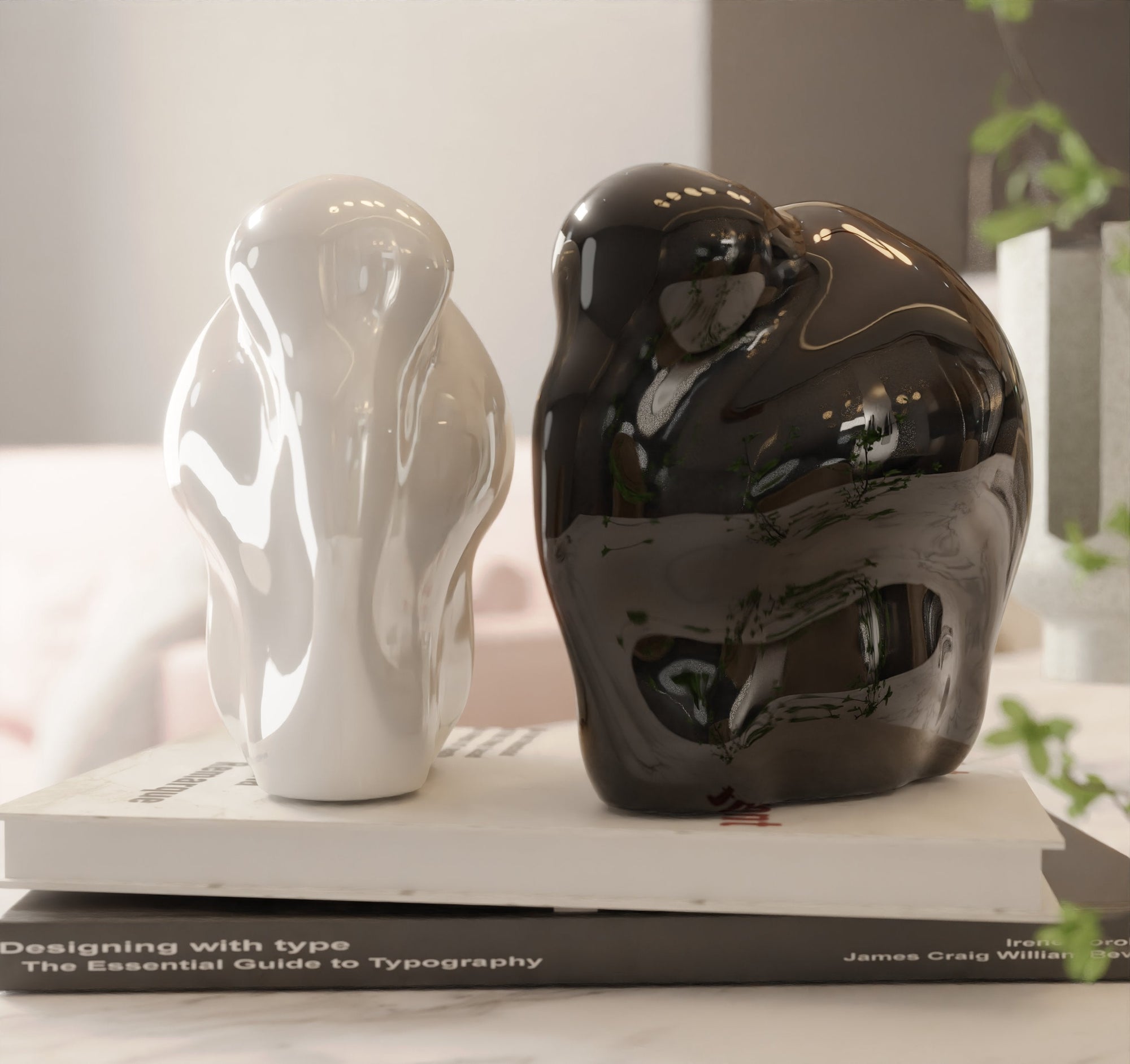
For more insights and a diverse range of options, visit The Workshop Gallery to explore high-quality garden solutions that suit every taste and requirement. Whether you are interested in the versatile Blob S - Desk Planter for smaller plants or larger options like the Polo and Adam planters, you'll find myriad choices to enhance your garden.